Skip to content
Lowe's Hometowns

Lowe's Hometowns

Author: aK4vgpCA

Online Roulette: How to Play & Win먹튀검증의달인

Posted on April 20, 2025 By aK4vgpCA
Online Roulette: How to Play & Win먹튀검증의달인

먹튀검증의달인

Roulette is one of the most popular and exciting 먹튀검증의달인 casino games in the world. Its combination of simple rules and the thrill of chance has made it a favorite for both beginners and seasoned gamblers. Online roulette brings the excitement of this classic game directly to your computer or mobile device, offering an even more convenient way to play.

In this guide, we will explain how online roulette works, the different types of roulette games, tips for winning, and how you can get the most out of your online roulette experience.

What is Online Roulette?

Online roulette is a digital version of the traditional casino game. In this game, a small ball is spun around a wheel with numbered slots, and players bet on where the ball will land. The goal is to predict the winning number or group of numbers before the ball is spun.

Unlike the physical roulette wheel found in land-based casinos, online roulette games are powered by Random Number Generators (RNGs) or live dealers, making them accessible at any time and from anywhere. You can play online roulette at a variety of online casinos, and you’ll often find different variations of the game.

How to Play Online Roulette: The Basics

Playing online roulette is easy to understand, even for beginners. Here’s a simple breakdown of how the game works:

1. Choose Your Bet

Before the wheel is spun, you need to place a bet. In online roulette, you can place your bet on a single number, a range of numbers, or various other betting options. There are two main types of bets in roulette: inside bets and outside bets.

  • Inside Bets: These are bets placed on specific numbers or a small group of numbers. They usually have higher payouts because they are harder to win.

    • Straight-up Bet: A bet on a single number.

    • Split Bet: A bet on two adjacent numbers.

    • Street Bet: A bet on three numbers in a row.

    • Corner Bet: A bet on four numbers that form a square.

  • Outside Bets: These are bets placed on larger groups of numbers. They usually have lower payouts but higher chances of winning.

    • Red or Black: A bet on whether the ball will land on a red or black number.

    • Odd or Even: A bet on whether the winning number will be odd or even.

    • High or Low: A bet on whether the winning number will be in the lower (1-18) or higher (19-36) range.

    • Dozens Bet: A bet on one of the three dozen groups (1-12, 13-24, or 25-36).

    • Columns Bet: A bet on one of the three vertical columns of numbers on the board.

2. Spin the Wheel

Once all bets are placed, the dealer spins the roulette wheel. In online roulette, the spin is powered by a random number generator, ensuring the results are completely random and fair. For live dealer roulette games, a real dealer will spin the physical wheel, adding to the authenticity of the experience.

3. Wait for the Results

After the ball has landed in one of the numbered slots, the game results are revealed. If your bet matches the number or group of numbers where the ball landed, you win! Payouts are based on the type of bet you placed. The more difficult a bet is to win, the higher the payout.

4. Collect Your Winnings

After the results are announced, your winnings are automatically added to your account balance. If you want, you can choose to place new bets or cash out your winnings.

Types of Online Roulette

There are several versions of online roulette, and each offers slightly different rules or features. The most common types are:

1. European Roulette

European roulette is one of the most popular versions of the game. It features a wheel with 37 slots: numbers 1 through 36 and a single green “0” slot. The single zero gives the casino a lower house edge compared to other versions, making European roulette a favorite among players.

2. American Roulette

American roulette is similar to European roulette, but it has an additional “00” slot on the wheel, increasing the total number of slots to 38. The addition of the double zero increases the house edge, which makes American roulette slightly less favorable for players.

3. French Roulette

French roulette is very similar to European roulette but comes with additional features, such as the “La Partage” and “En Prison” rules. These rules give players a chance to recover half their bet if the ball lands on zero, which lowers the house edge even further. French roulette is often preferred by advanced players who understand the advantages of these rules.

4. Live Dealer Roulette

Live dealer roulette combines the excitement of traditional roulette with the convenience of online gaming. In live dealer roulette, a real dealer spins a physical roulette wheel, and players watch the action through a live video stream. This version of the game offers a more immersive experience compared to RNG-based roulette, allowing players to interact with the dealer and other players.

How to Win at Online Roulette

While roulette is largely a game of chance, there are several strategies and tips you can use to improve your chances of winning. Here are a few helpful strategies:

1. Stick to European or French Roulette

As mentioned earlier, European and French roulette offer a lower house edge than American roulette. This gives you a better chance of winning over the long term, so it’s always a good idea to stick with these versions if you have the option.

2. Use a Betting Strategy

Many players use betting strategies to manage their bets and improve their chances of winning. One of the most popular betting systems is the Martingale Strategy, which involves doubling your bet after each loss until you win. While this strategy can work in the short term, it’s important to know when to stop, as it requires a significant bankroll to be successful.

Another popular system is

Uncategorized

The Most Popular Sports Betting Markets and 토지노

Posted on February 7, 2025 By aK4vgpCA

토지노

Sports betting has become one of the most exciting ways to engage with sports 토지노, offering bettors countless opportunities to win money while enjoying their favorite games. However, with so many betting markets available, it can be overwhelming for beginners to know where to start. Understanding the different types of sports betting markets and how to use them effectively is key to making informed bets and increasing your chances of success. In this guide, we will explore the most popular sports betting markets, explain how they work, and provide tips on how to use them to your advantage.

Understanding Sports Betting Markets

A sports betting market refers to the different types of bets available for a particular event. Each market provides unique opportunities to wager on various aspects of a game, including the final result, individual player performances, or specific game events. Some markets are straightforward, like picking a winner, while others require deeper analysis, such as predicting the exact score. The key to successful betting is choosing the right market based on your knowledge and strategy.

1. Moneyline Betting

What is it?
Moneyline betting is the most basic and popular form of sports betting. It involves simply picking which team or player will win a game or match.

How it works:

  • A favorite team will have negative odds (-150), meaning you must bet $150 to win $100.
  • An underdog team will have positive odds (+200), meaning a $100 bet would return $200.

Best strategy:
Moneyline betting is best used when you have a strong understanding of a team’s form, injuries, and head-to-head matchups. It is also great for betting on individual sports like tennis, boxing, or MMA.

2. Point Spread Betting

What is it?
Point spread betting, also known as handicap betting, levels the playing field between strong and weak teams by assigning a margin that the favorite must win by.

How it works:

  • A team may be listed as -5.5 points, meaning they must win by at least 6 points for your bet to win.
  • The underdog may be listed as +5.5 points, meaning they can lose by up to 5 points, and your bet would still win.

Best strategy:
Point spread betting is useful when betting on basketball and football, where games often have clear favorites. It’s also great for identifying value when an underdog is capable of keeping the game close.

3. Over/Under (Totals) Betting

What is it?
Over/Under betting, also known as totals betting, focuses on the total number of points scored in a game rather than which team wins.

How it works:

  • A sportsbook may set a total at 48.5 points for an NFL game.
  • If you bet the over, you win if the total points exceed 48.5.
  • If you bet the under, you win if the total points are 48 or lower.

Best strategy:
This market is great when you expect a high-scoring game (bet the over) or a defensive battle (bet the under). Factors such as weather conditions, team playing styles, and injuries should be analyzed before placing a bet.

4. Prop Bets (Player and Team Props)

What is it?
Prop bets, or proposition bets, focus on specific events within a game rather than the final outcome. These can be related to individual players or teams.

How it works:

  • A player prop could be: “Will LeBron James score over or under 30.5 points?”
  • A team prop could be: “Will Manchester United score over 2.5 goals in the match?”

Best strategy:
Prop bets are ideal when you have deep knowledge about a particular player or team. This market is also useful for games where the result is uncertain, but you have insights on individual performances.

5. Parlay Betting

What is it?
A parlay bet combines multiple bets into one single wager, increasing potential payouts but requiring all selections to be correct for the bet to win.

How it works:

  • You can combine a moneyline bet, point spread bet, and over/under bet into one parlay.
  • If all your bets win, the payout is much higher than placing them separately.
  • If even one selection loses, the entire parlay is lost.

Best strategy:
Parlays offer high rewards but are risky. It’s best to use them for smaller bets with strategic selections rather than risking large amounts of money on multiple outcomes.

6. Futures Betting

What is it?
Futures bets are long-term wagers on events that will be decided in the future, such as championship winners, MVP awards, or season totals.

How it works:

  • Betting on Kansas City Chiefs to win the Super Bowl before the season starts.
  • Betting on Lionel Messi to win the Ballon d’Or before voting takes place.

Best strategy:
Futures bets are great for bettors who have strong long-term predictions. However, since the odds change throughout the season, betting early can provide better value.

7. Live Betting (In-Game Betting)

What is it?
Live betting allows you to place wagers while a game is happening, with odds constantly changing based on real-time events.

How it works:

  • If a football team starts poorly but you believe they will make a comeback, you can bet on them at higher odds during the game.
  • If a basketball team is leading at halftime, you can bet on whether they will maintain their lead.

Best strategy:
Live betting is ideal for experienced bettors who can quickly analyze game flow, team momentum, and in-game conditions to find the best value bets.

8. Correct Score Betting

What is it?
Correct score betting involves predicting the exact final score of a game.

How it works:

  • Betting on Real Madrid to win 2-1 against Barcelona at high odds.
  • If the game ends 2-1, you win. Any other score results in a loss.

Best strategy:
Correct score betting is difficult but offers high payouts. It’s best used in low-scoring sports like soccer, where outcomes can be easier to predict based on team styles and defensive capabilities.

9. Both Teams to Score (BTTS)

What is it?

Uncategorized

Planning a Last-Minute Golf Trip to Saigon https://hochiminhgolftour.org/

Posted on December 13, 2024 By aK4vgpCA

https://hochiminhgolftour.org/

Saigon, now officially known as Ho Chi Minh City (HCMC) https://hochiminhgolftour.org/, is one of Vietnam’s most vibrant and fast-growing cities. Known for its rich history, bustling streets, delicious cuisine, and dynamic culture, it’s also a fantastic destination for golf lovers. If you find yourself in need of a last-minute golf getaway, Saigon offers a variety of world-class courses, exciting golf resorts, and activities that make it the perfect place to unwind and enjoy a round of golf. In this article, we’ll guide you through how to plan a last-minute golf trip to Saigon, ensuring a stress-free and enjoyable experience.

Why Choose Saigon for Your Last-Minute Golf Trip?

Saigon is an ideal destination for golf enthusiasts for many reasons:

  • Top-tier Golf Courses: Saigon is home to some of Vietnam’s best golf courses, featuring lush greens, challenging holes, and scenic views. Courses like Tan Son Nhat Golf Course, The Vietnam Golf & Country Club, and Sacom Tuyen Lam Golf Resort offer excellent facilities and a truly memorable golfing experience.
  • Accessible Location: Saigon is well-connected to international airports, making it an easy destination to reach from most countries. The city also has a wide range of accommodations, from luxury hotels to budget-friendly options, giving you flexibility when planning.
  • Great Weather: Vietnam’s tropical climate ensures that you can play golf year-round. Though you may want to avoid the rainy season (typically from May to October), the dry season (November to April) offers ideal weather conditions for outdoor activities, making it the perfect time for a golf trip.
  • Variety of Attractions: Aside from golfing, Saigon boasts a rich cultural scene, excellent food, and vibrant nightlife. A trip to Saigon offers more than just golf—it’s an opportunity to explore and experience everything the city has to offer.

Steps for Planning Your Last-Minute Golf Trip to Saigon

Planning a golf trip on short notice can be daunting, but with the right steps, it can be seamless and exciting. Here’s a guide to help you organize your last-minute golf vacation in Saigon:

1. Choose the Best Time to Visit Saigon

If your trip is flexible and you’re considering a last-minute golf getaway, it’s essential to check the weather and book during the dry season. The best months to visit Saigon for golf are November to April, with temperatures ranging between 25°C and 30°C (77°F to 86°F). This ensures great conditions for golf and allows you to enjoy outdoor activities.

2. Select the Right Golf Courses

Saigon offers a variety of golf courses to suit different playing levels and preferences. Here are some top courses to consider when planning your last-minute golf trip:

  • Vietnam Golf & Country Club: Just 20 minutes from downtown Saigon, this is one of the most prestigious golf clubs in Vietnam. It features two championship 18-hole courses and offers a top-tier golfing experience with excellent service.
  • Tan Son Nhat Golf Course: Located in the heart of Saigon, this course is one of the busiest in the city. It features 36 holes, and its central location makes it an excellent choice for those with limited time. The course has water hazards, bunkers, and various challenges for players of all skill levels.
  • Sacom Tuyen Lam Golf Resort: If you’re looking for a golf getaway in a tranquil and scenic setting, this resort near the famous Tuyen Lam Lake is perfect. The lush landscape and surrounding hills create a serene atmosphere, ideal for golfers who want to relax and play in nature.
  • Long Thanh Golf Club: Known for its excellent layout and beautiful scenery, Long Thanh Golf Club is just an hour away from Saigon. It offers a great golfing experience with lush fairways, water features, and well-maintained greens.

Once you have selected the golf courses that suit your preferences, you can call ahead to check availability and make a reservation, especially if you’re traveling on short notice. It’s always a good idea to confirm your tee time in advance, particularly during peak seasons.

3. Book Your Accommodation

Saigon offers a wide variety of accommodation options, from luxurious 5-star hotels to affordable guesthouses. Here are a few options to consider when choosing a place to stay:

  • Luxury Hotels and Resorts: If you’re looking for high-end accommodation with golf facilities on-site, consider staying at resorts such as The Grand Ho Tram Strip or The Reverie Saigon. These hotels provide luxury amenities, and some even offer exclusive access to golf courses.
  • Golf Club Accommodations: Many golf clubs offer their own on-site accommodations, making it easy for guests to stay close to the course. If you plan to play at the Vietnam Golf & Country Club or Tan Son Nhat Golf Course, check if they have hotels or villas available for booking.
  • Mid-Range and Budget Options: For travelers on a budget, Saigon offers plenty of mid-range hotels, serviced apartments, and guesthouses in central locations. Areas like District 1 have a wide range of accommodation options to suit different budgets.

4. Arrange Transportation

In a bustling city like Saigon, transportation is crucial, especially if you plan to move between the golf course and your hotel. Depending on your needs, consider the following options:

  • Private Transfers: If you’re on a tight schedule and don’t want to worry about navigating the city, private transfers are a great option. Many golf courses and resorts offer airport or hotel transfers directly to the course.
  • Taxis or Ride-Hailing Apps: Grab and Gojek are popular ride-hailing apps in Saigon, allowing you to book rides easily and affordably. Taxis are also readily available throughout the city.
  • Rental Cars: If you’re comfortable driving in a foreign country, renting a car can give you flexibility and the ability to explore the city at your own pace.

5. Pack Essentials for Your Golf Trip

When packing for a golf trip to Saigon, ensure you bring the essentials. Here’s a checklist to help you:

  • Golf Clubs: If you’re not renting golf equipment, make
Uncategorized

How to Create a Reliable Sports Broadcasting 무료중계

Posted on November 8, 2024 By aK4vgpCA

무료중계

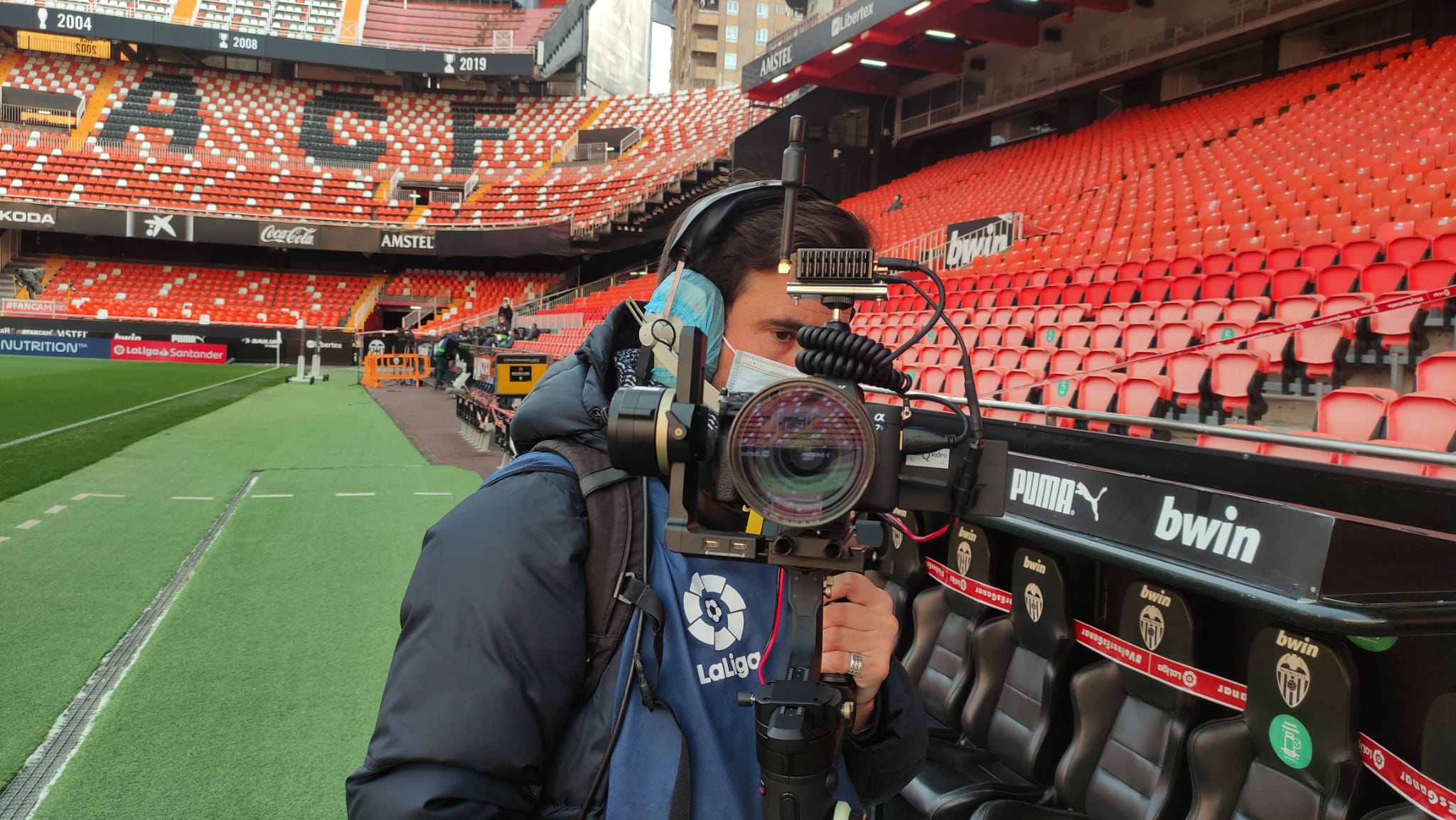
Creating a reliable sports broadcasting 무료중계 workflow is essential for delivering high-quality content that engages audiences and keeps them coming back for more. In the fast-paced world of sports, efficiency, and organization can make or break a broadcast. This guide outlines the key components of a successful workflow, offering practical steps to enhance your sports broadcasting operation.

Table of Contents

  1. Understanding the Importance of Workflow
  2. Key Components of a Sports Broadcasting Workflow
    • Pre-Broadcast Planning
    • Equipment Setup
    • Live Broadcasting
    • Post-Broadcast Activities
  3. Best Practices for Each Workflow Stage
    • Pre-Broadcast Planning Best Practices
    • Equipment Setup Best Practices
    • Live Broadcasting Best Practices
    • Post-Broadcast Activities Best Practices
  4. Utilizing Technology for Efficiency
  5. Creating a Team Culture of Communication
  6. Conclusion

Understanding the Importance of Workflow

A well-defined workflow streamlines the entire broadcasting process, from pre-production to post-production. It ensures that all team members are aligned, deadlines are met, and the broadcast runs smoothly. The goal is to minimize errors, reduce downtime, and enhance the overall viewer experience.

Key Components of a Sports Broadcasting Workflow

Pre-Broadcast Planning

Planning is the foundation of any successful broadcast. This phase includes:

  • Event Scheduling: Establish clear timelines for when games will occur and when preparation needs to begin.
  • Script Development: Create a script that outlines key talking points, segments, and transitions.
  • Research and Preparation: Gather statistics, player profiles, and background information about the teams and events being covered.

Equipment Setup

Having the right equipment is crucial for delivering high-quality broadcasts. Key elements include:

  • Cameras: Ensure you have multiple cameras positioned strategically to capture all angles.
  • Microphones: Use high-quality microphones for clear audio.
  • Lighting: Proper lighting enhances video quality and ensures visibility.
  • Streaming Software: Choose software that supports live broadcasting and integrates easily with your equipment.

Live Broadcasting

The live broadcasting phase is where the action happens. This includes:

  • On-Air Talent: Have skilled commentators who can engage viewers with insightful commentary.
  • Control Room Operations: Maintain a control room where technical staff can monitor feeds, adjust audio levels, and switch between camera angles.
  • Audience Interaction: Engage with viewers through social media or live chat, responding to comments and questions in real time.

Post-Broadcast Activities

Once the live event concludes, focus on post-broadcast tasks, such as:

  • Content Editing: Edit the footage to create highlight reels or recap segments for later use.
  • Data Analysis: Review viewership metrics and gather feedback to improve future broadcasts.
  • Promotion: Share recorded segments on social media and other platforms to reach a wider audience.

Best Practices for Each Workflow Stage

Pre-Broadcast Planning Best Practices

  1. Create a Detailed Schedule: Use project management tools to keep everyone informed about deadlines and responsibilities.
  2. Conduct Rehearsals: Run through scripts and technical setups before the live event to identify potential issues.
  3. Communicate with Stakeholders: Regularly update team members and stakeholders on plans and any changes.

Equipment Setup Best Practices

  1. Conduct Equipment Checks: Test all equipment before the broadcast to ensure everything is functioning correctly.
  2. Organize Cabling: Keep cables tidy to prevent tripping hazards and confusion during setup.
  3. Have Backup Solutions: Prepare backup equipment and contingency plans in case of technical difficulties.

Live Broadcasting Best Practices

  1. Establish Clear Roles: Assign specific tasks to team members to ensure everyone knows their responsibilities.
  2. Monitor Feeds Continuously: Keep an eye on all camera angles and audio feeds to catch any issues immediately.
  3. Maintain Energy and Engagement: Encourage on-air talent to keep the energy high and engage with the audience actively.

Post-Broadcast Activities Best Practices

  1. Analyze Performance Metrics: Review analytics to understand viewer preferences and improve future broadcasts.
  2. Solicit Feedback: Encourage viewers to provide feedback on their experience and content quality.
  3. Document Learnings: Keep notes on what worked well and what could be improved for future broadcasts.

Utilizing Technology for Efficiency

In today’s digital age, technology plays a vital role in enhancing sports broadcasting workflows. Here are some tools to consider:

  • Cloud-Based Solutions: Use cloud storage for easy access to files and collaboration among team members.
  • Live Streaming Platforms: Choose platforms that offer high-quality streaming and user-friendly interfaces.
  • Automated Editing Tools: Leverage AI-driven tools that can assist in editing footage and creating highlights quickly.

Creating a Team Culture of Communication

Effective communication is the backbone of a successful sports broadcasting workflow. Here are strategies to promote open communication:

  • Regular Meetings: Hold team meetings to discuss plans, gather input, and address concerns.
  • Feedback Loops: Create channels for team members to provide feedback on workflows and processes.
  • Collaboration Tools: Utilize messaging apps or project management software to keep everyone connected.

Conclusion

Establishing a reliable sports broadcasting workflow is essential for producing engaging and high-quality content. By focusing on detailed planning, efficient equipment setup, effective live broadcasting, and thorough post-broadcast activities, you can enhance your sports coverage and grow your audience. Incorporating technology and fostering a culture of communication among your team will further streamline the process and lead to successful broadcasts. Remember, continuous improvement is key, so always be open to learning and adapting your workflow for future events.

GO BACK TO HOME

Uncategorized

Is Your Sports Broadcasting Service Up to Par?

Posted on August 11, 2024November 23, 2024 By aK4vgpCA

gyanne티비

Introduction: Understanding Sports Broadcasting Services

Sports broadcasting gyanne티비 has undergone a remarkable transformation in recent decades. Starting from basic radio updates and black-and-white TV broadcasts, it has progressed into a sophisticated industry offering high-definition content across multiple platforms. In today’s digital era, it is imperative to maintain high standards in your sports broadcasting service to deliver an exceptional viewer experience. This detailed guide will assist you in assessing your sports broadcasting service, guaranteeing it fulfills all the necessary criteria for excellence.

Key Features of a Top-Notch Sports Broadcasting Service

1. High-quality video and Audio

The cornerstone of any excellent sports broadcasting visitors티비 service is high-quality video and audio. Viewers expect crisp, clear images and sound that capture every moment of the game.

Video Quality

  • Resolution: Confirm that the service gyanne티비 accommodates high-definition formats like 1080p and 4K. Enhanced resolutions deliver a truly immersive viewing experience.
  • Frame Rate: Opting for a higher frame rate, like 60 frames per second (fps), delivers smoother motion and clearer action, crucial for fast-paced sports.

Audio Quality

  • Surround Sound: Support for surround sound enhances the viewing experience, making viewers feel like they are at the game.
  • Commentary Clarity: Clear and precise commentary is crucial. Ensure your service provides high-quality audio with minimal distortion.

2. Reliability and Stability

A dependable broadcasting visitors티비 service reduces interruptions, guaranteeing viewers a seamless game-watching experience free of buffering or downtime.

Server Uptime

  • Redundancy: Implement server redundancy to avoid outages. Multiple servers ensure that if one fails, others can take over seamlessly.
  • Monitoring: Regular monitoring and maintenance are crucial for detecting and fixing issues before they affect viewers.

Buffering and Latency

  • Low Latency: Achieving low latency is crucial to deliver broadcasts in near real-time. Excessive latency impacts the viewing experience, particularly during live events.
  • Buffering: Optimize streaming protocols to reduce buffering. Adaptive bitrate streaming can help adjust the video quality based on the viewer’s internet speed.

3. User Experience and Accessibility

An excellent sports broadcasting service should prioritize user experience and accessibility, ensuring that all viewers have a smooth and enjoyable experience.

User Interface (UI)

  • Intuitive Design: The interface should offer seamless navigation, enabling users to swiftly locate games, highlights, and other content.
  • Customization: Offer viewers the ability to personalize their viewing experience by selecting various camera angles or commentary preferences.

Accessibility Features

  • Subtitles and Closed Captions: Include subtitles and closed captions to cater to viewers with hearing impairments.
  • Multi-Language Support: Offer multiple language options for commentary and menus to cater to a global audience.

4. Content Variety and Coverage

A top-notch sports broadcasting service ought to provide an extensive array of content, encompassing live matches, highlights, and insightful analysis.

Live Games

  • Coverage: Ensure comprehensive coverage across a range of sports, encompassing popular ones such as football, basketball, and soccer, along with niche sports.
  • Exclusive Rights: Secure exclusive broadcasting rights for popular leagues and tournaments to attract viewers.

On-Demand Content

  • Highlights: Provide access to game highlights, allowing viewers to catch up on key moments.
  • Analysis and Commentary: Offer in-depth analysis and expert commentary to enhance the viewing experience.

5. Cost and Value

Evaluate whether the cost of the sports broadcasting service aligns with the value it provides.

Subscription Plans

  • Affordability: Offer competitive pricing and various subscription plans to cater to different budgets.
  • Free Trials: Offer free trials or introductory promotions to entice new customers and let them sample the service before committing.

Value-Added Features

  • Exclusive Content: Provide supplementary content like behind-the-scenes footage, interviews, and documentaries.
  • Interactive Features: Implement interactive features like live polls, chat rooms, and interactive stats to engage viewers.

Evaluating Your Sports Broadcasting Service

To determine if your sports broadcasting service is up to par, consider conducting a thorough evaluation based on the criteria outlined above.

1. Assess Video and Audio Quality

  • Test Streams: Regularly test streams for video and audio quality. Utilize high-quality equipment and professional tools to assess resolution, frame rate, and sound clarity.
  • Viewer Feedback: Gather feedback from viewers to identify any issues with video and audio quality.

2. Evaluate Reliability and Stability

  • Monitor Performance: Use performance monitoring tools to track server uptime, buffering, and latency. Address any issues promptly.
  • Conduct Stress Tests: Perform stress tests to simulate high traffic and ensure the service can handle peak loads without issues.

3. Review User Experience

  • Usability Testing: Conduct usability testing with real users to evaluate the interface and overall user experience.
  • Accessibility Audits: Perform accessibility audits to ensure compliance with accessibility standards and regulations.

4. Analyze Content Offerings

  • Content Inventory: Review the range of content offered, including live games, highlights, and on-demand options. Ensure that the service covers a diverse range of sports.
  • Rights and Exclusivity: Verify that the service has the necessary broadcasting rights for key events and leagues.

5. Compare Cost and Value

  • Benchmarking: Evaluate the pricing and features of your service against competitors to guarantee it delivers competitive value.
  • Customer Satisfaction: Evaluate customer satisfaction through surveys and feedback to gauge perceived value and areas for improvement.

Conclusion: Ensuring Excellence in Sports Broadcasting

For sports broadcasting to excel in the competitive arena, meticulous attention must be paid to various facets. Emphasizing top-tier video and audio quality, reliability, user engagement, diverse content offerings, and a balanced cost-value ratio guarantees that your sports broadcasting service not only meets but surpasses industry benchmarks, delivering an unparalleled viewing experience.


GO BACK TO HOME

Uncategorized

Posts pagination

1 2 … 8 Next

Recent Posts

  • Online Roulette: How to Play & Win먹튀검증의달인
  • The Most Popular Sports Betting Markets and 토지노
  • Planning a Last-Minute Golf Trip to Saigon https://hochiminhgolftour.org/
  • How to Create a Reliable Sports Broadcasting 무료중계
  • Is Your Sports Broadcasting Service Up to Par?

Recent Comments

No comments to show.

gyanne티비

gyanne티비

Copyright © 2026 Lowe's Hometowns.

Powered by PressBook Green WordPress theme